
Designing Workspaces That Impress With Lighting Control
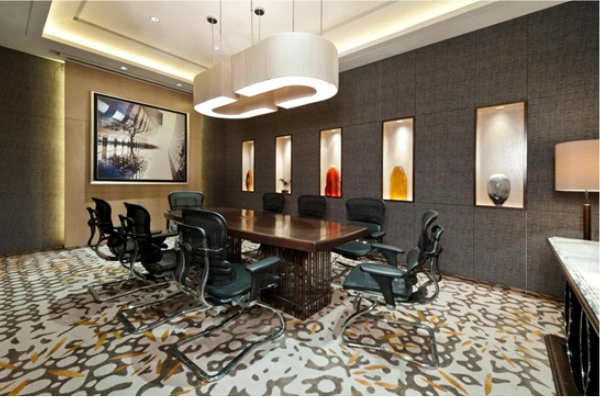
Explore What Builders and Architects Should Know About Commercial Lighting
Walk into a well-designed workspace and you can feel it. The entire room looks intentional, comfortable, and ready for focus and productivity. Lighting has a lot to do with that, but great fixtures alone do not guarantee a great experience. What makes commercial lighting truly perform is how it is controlled across the day, across zones, and across changing needs.
For builders and architects, lighting control can feel like a “later” decision, but in reality, it touches layout, infrastructure, and the way occupants use the space. When it’s planned early, it supports the design vision and keeps the project moving smoothly.
So, if you want your projects to look better, operate more efficiently, and age gracefully once delivered, keep reading to explore the lighting control fundamentals that can make this happen.
SEE ALSO: Better Security Starts With Access Control
Lighting Control Is a Design Tool, Not Just a Utility
In many commercial projects, lighting control gets finalized after fixture layouts are approved and ceilings are locked. At that point, the system’s role is often reduced to basic switching and dimming. When control decisions are made earlier, they influence how a space actually performs and how closely it aligns with the design intent.
Lighting control allows architects and builders to plan for how spaces shift throughout the day. Meeting rooms, collaborative zones, and open offices rarely serve a single purpose. Thoughtful control strategies support these changes through preset scenes that maintain visual consistency while adapting light levels and distribution. Approaching lighting control as part of the design process also helps protect the space long term. As tenants change or layouts evolve, the lighting continues to support the architecture.
Early Integration Prevents Costly Rework
Lighting control planning directly influences electrical layouts, low-voltage infrastructure, and how space is allocated behind walls and above ceilings. When those conversations happen late in the process, teams are often forced to adapt the system to the building instead of designing both together.
Early coordination allows builders and architects to align control strategies with the physical design of the space. For instance, keypads can be placed intentionally instead of squeezed into leftover wall space, electrical rooms and control panels can be sized correctly the first time, and ceiling conditions remain clean because infrastructure is planned, not patched in. Projects that address lighting control early also tend to move more smoothly during construction, thanks to fewer field changes reduce delays, limit budget surprises, and help keep trades aligned.
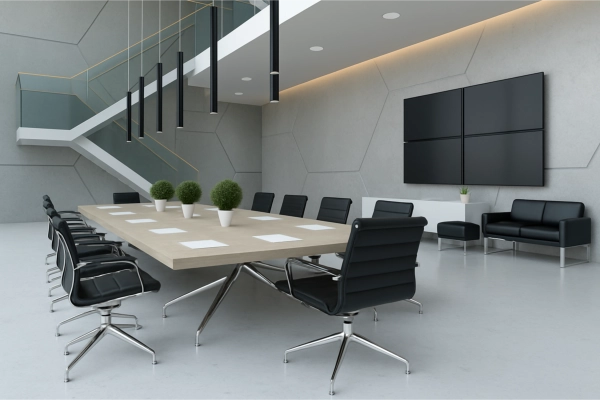
Fixture Selection and Control Must Be Matched
Lighting performance depends as much on the relationship between fixtures and controls as it does on the fixture itself. LED drivers, dimming methods, and color characteristics all influence how lights respond once they are installed and programmed.
If fixtures and control systems are not evaluated together, common issues can appear. For instance, dimming may feel uneven, light levels may jump instead of fade smoothly, and color temperature can shift in ways that were never intended in the design. These problems are difficult to correct once fixtures are installed and ceilings are closed. By reviewing fixture specifications alongside the proposed control strategy early in the construction process, we can confirm compatibility, protect visual consistency, and ensure the lighting behaves as expected in real-world use.
Zoning and Scene Planning Drive Usability
Lighting control succeeds or fails based on how intuitive it feels to the people using the space every day. Well-planned zoning groups fixtures in ways that reflect how a space is actually used. Instead of tying lighting to rigid layouts, zones can support circulation paths, work areas, and shared spaces, reducing the number of controls while still giving occupants meaningful flexibility.
Scenes take that a step further by simplifying interaction. A single button can set light levels appropriate for meetings, focused work, or general use without requiring manual adjustments. When zoning and scenes are planned with intention, lighting supports daily activity without interruptions.
Lighting Control Supports Code Compliance and Sustainability Goals
Energy codes continue to shape how commercial buildings are designed and built. Controls such as scheduling, occupancy response, and daylight adjustment help reduce energy use without relying on manual intervention. These strategies support compliance while maintaining consistent lighting conditions across the workspace. When they are planned alongside the architectural design, they work quietly in the background instead of imposing rigid limitations.
For builders and architects, early alignment between lighting control and compliance goals helps avoid last-minute adjustments that can affect design or functionality. A coordinated approach supports efficiency targets while keeping the focus on creating spaces that feel comfortable, intentional, and aligned with long-term sustainability objectives.
Make Lighting Control Part of Your Next Project Plan
Commercial spaces evolve, and lighting control should be able to evolve with them. If you’re looking to make smart lighting part of your next commercial build, contact The Entertainer today and discover how we can bring impeccable design, flawless performance, and long-term flexibility to your projects.